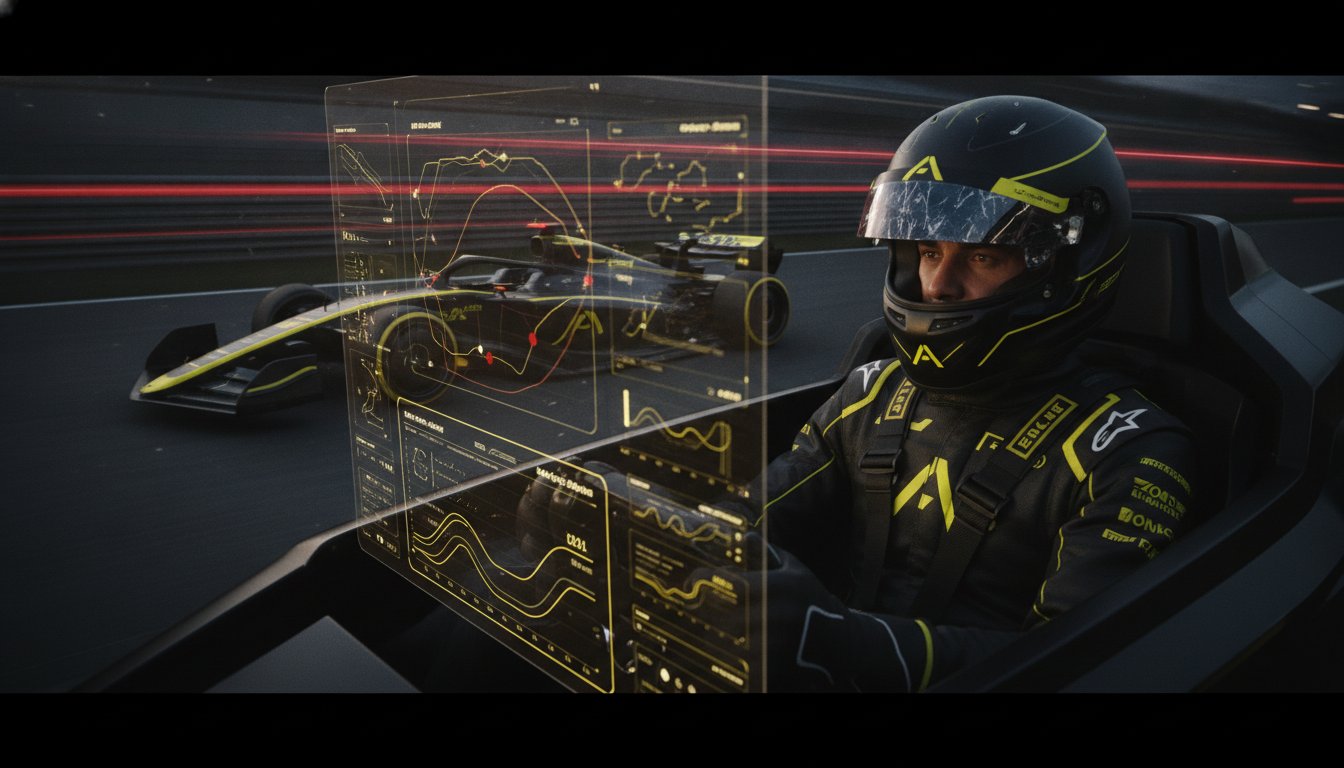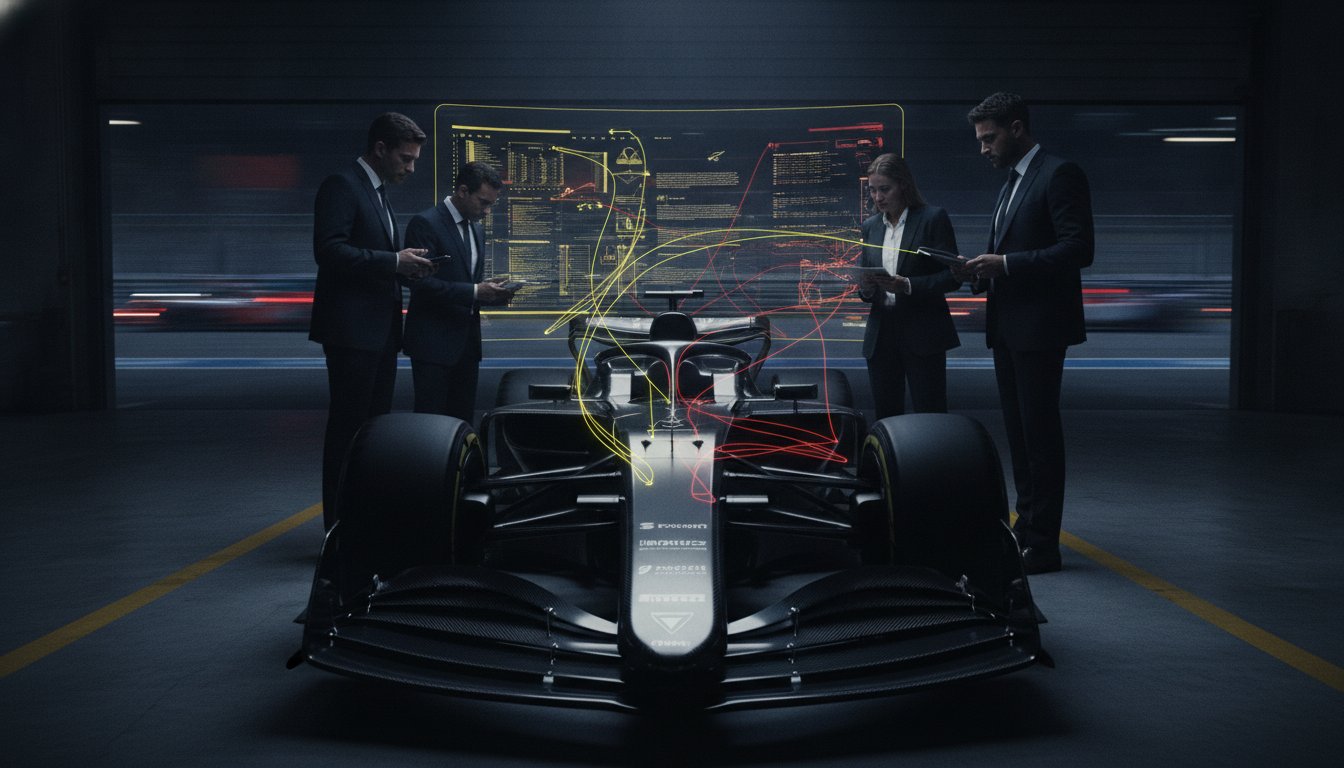
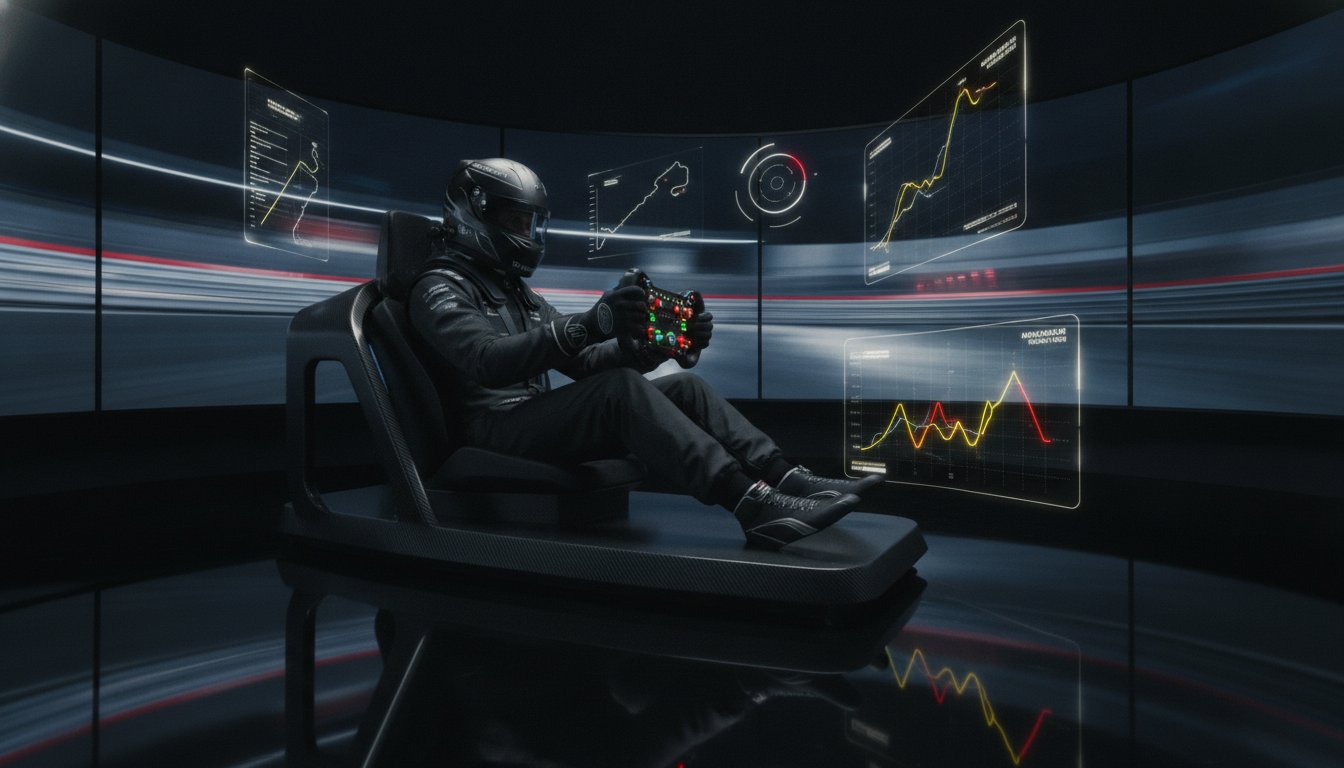
A racing simulator isn't a game. It's a high-fidelity laboratory where milliseconds are dissected and championships are won long before the first green flag drops. For the elite, the boundary between the virtual and the physical has dissolved. You've likely felt the frustration of the current market. There's a staggering amount of hardware noise and a persistent gap between recreational gaming and true professional development. We understand that high performance simulator training requires more than just a steering wheel. It demands a strategic alignment of telemetry, haptic feedback, and intense cognitive loading.
This is where the elite separate themselves from the enthusiasts. You'll discover how world-class drivers like Sébastien Buemi and Nyck de Vries utilize professional-grade simulation to master complex racing methodologies and shave vital tenths off their lap times. This guide provides a clear roadmap for your own training evolution. We'll detail the precise ROI of a professional simulator investment and the telemetry analysis required for peak results. It's time to stop simply driving laps. It's time to start engineering performance at the highest level of the sport.
Key Takeaways
- Understand why elite simulation has transitioned from elective practice to a mandatory pillar of modern F1 and Formula E competitive preparation.
- Master the integration of real-world telemetry data and cognitive loading to sharpen high-speed decision-making in a risk-free environment.
- Evaluate the critical hardware requirements for professional-grade setups, focusing on the torque accuracy of Direct Drive systems and the resistance of hydraulic pedals.
- Implement a structured roadmap for high performance simulator training that uses standardized testing to identify and eliminate specific performance deficits.
- Learn how to bridge the gap between virtual mastery and a professional racing seat by leveraging data for sponsorship and career advancement.
Beyond Gaming: The Strategic Necessity of High Performance Simulator Training
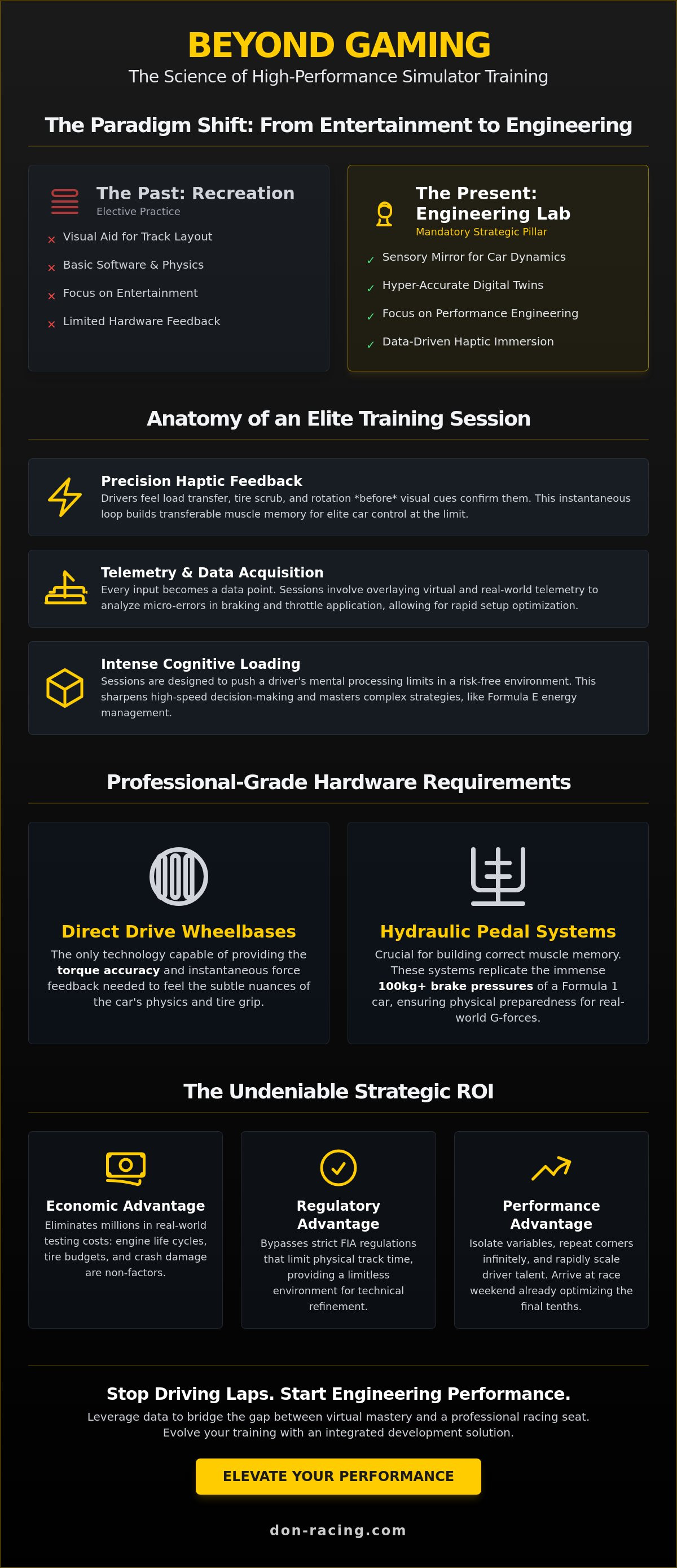
To the uninitiated, a simulator is a recreation. To the professional, it's an engineering-grade laboratory. High performance simulator training has evolved far beyond the luxury of entertainment. It is now a critical strategic pillar. In the modern landscape of Formula 1 and Formula E, the transition from elective practice to a mandatory operational requirement is absolute. FIA regulations strictly limit physical track testing. Every kilometer on a real circuit is a precious resource that must be managed with extreme care. Simulators allow teams to bypass these constraints. They provide a limitless environment for technical refinement. Here, a driver can explore the limit of the car without the catastrophic financial risk of a physical crash. It's about calculated poise. It's about arriving at the track with a baseline of knowledge that competitors simply cannot match.
The Evolution of Racing Simulation
Pixels have been replaced by physics. We no longer deal with mere software; we utilize digital twins. These are hyper-accurate mathematical models of specific chassis and power units. Elite practitioners like Sébastien Buemi rely on these systems to master complex energy management strategies. In Formula E, where efficiency is the difference between a podium and a retirement, the simulator is the primary classroom. The shift from visual feedback to haptic and data-driven immersion is the true differentiator. In years past, a simulator was a visual aid. Today, it's a sensory mirror. Professional drivers use these platforms to build muscle memory that is directly transferable to the cockpit. When a driver like Nyck de Vries enters the simulator, he isn't just looking for the racing line. He's feeling the load transfer. He's listening for the tire scrub. This level of fidelity turns a digital session into a genuine professional briefing.
Economic and Tactical Advantages
The fiscal logic is undeniable. Real-world testing involves logistical nightmares, engine life cycles, and tire budgets that can exceed millions. A simulator eliminates these "wear and tear" costs entirely. More importantly, it offers tactical control that the physical world cannot match. A coach can freeze a session mid-corner. They can rewind the telemetry. They can analyze a specific braking zone fifty times in a single hour. This ability to isolate variables is what allows high performance simulator training to scale driver talent so rapidly. It ensures that when a driver arrives at a new street circuit, they aren't learning the track layout. They're already optimizing the final tenths of a second. This is the strategic edge that defines the modern professional.
The Anatomy of Elite Simulator Sessions: Precision, Data, and Realism
Precision isn't a goal. It's the baseline. In the cockpit of a professional-grade rig, every input is a data point. High performance simulator training transforms raw driving into a repeatable, scientific process. It's about the convergence of physical sensation and digital validation. If the steering rack doesn't communicate the exact moment of front-end scrub, the session is a failure. Immersion, in this context, isn't a luxury for the senses. It's a technical requirement for valid data. Without it, the brain cannot build the subconscious triggers necessary for 200mph decision-making. We don't just drive. We calibrate.
The feedback loop must be instantaneous. High-fidelity force feedback allows a driver to sense the car's rotation before the visual cues confirm it. This is how muscle memory is forged. By replicating the 100kg+ pressure of a Formula 1 brake pedal, the simulator ensures the body is physically prepared for the G-forces of the real world. It's a calculated exercise in poise. Every session is designed to push the boundaries of what the driver can process while maintaining absolute car control.
Telemetry and Data Acquisition
Data is the ultimate arbiter of performance. During elite sessions, we analyze driving signatures. We overlay virtual telemetry with real-world logs to identify micro-errors in brake pressure modulation or throttle application. This granular approach allows drivers to test radical setup changes virtually. Suspension geometry, aerodynamic mapping, and differential settings can be cycled through in minutes. This level of technical rigor is a core component of the Driver Development Program, where every virtual lap serves a specific engineering purpose. It's about finding the edge through evidence, not intuition.
The Human Element: Mental Conditioning
The mind often fatigues before the body. High performance simulator training serves as a crucible for mental conditioning. It's about cognitive loading. Drivers must manage complex energy recovery systems while maintaining perfect radio etiquette with virtual engineers. We simulate the stress of a 24-hour endurance stint to refine visual scanning techniques and find the apex under extreme mental duress. The goal is simple: total cognitive mastery. By the time the driver reaches the real grid, the pressure of the moment has already been conquered a thousand times in the digital world.
Hardware vs. Software: Evaluating Professional-Grade Simulator Components
Hardware is the bridge between digital physics and tactile reality. In the context of high performance simulator training, every component must serve as a high-fidelity sensor. We move beyond the aesthetic. We focus on the forensic. A professional rig is not a seat; it is a telemetry-gathering station. If the hardware fails to replicate the exact resistance of a steering rack or the specific bite point of a carbon brake, the training value is compromised. Precision at the virtual apex requires equipment that operates with the same calculated poise as a race-prepared chassis.
Direct Drive wheel bases are the industry standard for a reason. It's not about raw strength. It's about torque accuracy. A high-spec motor provides the granular detail needed to feel the subtle "lightness" in the wheel as the front tires begin to scrub. This communication is vital for car control. Similarly, pedals must move beyond simple springs. Hydraulic systems are the gold standard, capable of replicating the 100kg+ pressure required in an F1 cockpit. This trains the leg muscles for consistent modulation under extreme load. In the professional sphere, we don't just push pedals. We manage pressure gradients.
Motion platforms add the final layer of vestibular feedback. While 3-DOF systems (Pitch, Roll, Heave) provide a baseline, 6-DOF platforms introduce Surge, Sway, and Yaw. This allows the inner ear to detect a slide before the eyes confirm it on the screen. When paired with software like iRacing for competitive infrastructure or Assetto Corsa Competizione for GT3 physics, the result is a total immersion environment. For those seeking the ultimate edge, bespoke team software often utilizes rFactor Pro architectures to model specific tire degradation and aerodynamic maps with surgical precision.
The Monocoque and Ergonomics
Seating is conditioning. A professional simulator must replicate the exact monocoque geometry of the target car. This ensures that the physical strain on the core and neck remains relevant. Rigidity is data integrity. Any "flex" in the chassis is essentially lost data, mulling the feedback the driver receives. Integrating professional-grade steering wheels with real-time dash displays allows for the practice of complex multi-function switch changes during high-speed cornering. It's about mastering the interface.
Visuals and Latency
Spatial awareness is non-negotiable. While VR offers depth, most elite drivers favor triple-screen setups for their stability and superior peripheral vision. Latency is the enemy of performance. Every millisecond of delay between an input and the visual response breaks the immersion and degrades the training quality. Low-latency processing ensures that reactions are reflexive. Audio simulation completes the loop. We use sound as a critical cue for tire slip and engine RPM, allowing the driver to "hear" the limit of adhesion.
How to Build an Elite Simulator Training Regimen
Performance isn't accidental. It's engineered. To achieve the high performance simulator training results seen at the top of the grid, you must abandon the "just drive" mentality. Structure is your most potent tool. A professional regimen isn't about logging hours; it's about logging insights. It requires a methodical progression that mirrors the technical debriefs of a Formula 1 weekend. We move from the general to the surgical. Every session must have a defined objective, a measurable metric, and a post-session analysis. Without this rigor, you aren't training. You're simply playing.
The roadmap to mastery follows a five-step protocol designed to eliminate variables and isolate performance gains:
- Step 1: Establishing a Baseline. Conduct standardized track tests using a fixed car setup. This provides a clean data set to measure future progress.
- Step 2: Telemetry Analysis. Identify specific weaknesses. Are you over-braking? Is your throttle application too aggressive? The data doesn't lie.
- Step 3: Targeted Drills. Isolate techniques like trail braking or energy recovery management. Repeat these in high-frequency bursts until they become reflexive.
- Step 4: Full Race Simulations. Progress to full-distance stints. Introduce variable track temperatures, tire degradation, and fuel loads to test your adaptability.
- Step 5: Elite Review. Sit down with a mentor to dissect the telemetry. This is where the Driver Development Program provides its highest value, turning raw data into a competitive edge.
Structured Practice vs. Hot-Lapping
Hot-lapping is an ego trap. It's the fastest way to plateau. Chasing a single "purple" lap time ignores the strategic realities of racing. Elite sessions prioritize consistency over peaks. You should set specific objectives: managing a 20-lap stint on a specific tire compound or hitting fuel targets while defending a position. Discipline is key. We also emphasize the importance of scheduled breaks. Extended sessions lead to "sim-blindness," where your reactions dull and your form degrades. Quality over quantity. Always.
The Role of Professional Mentorship
Mentorship is the ultimate shortcut. While data shows you what happened, a seasoned professional tells you why. Feedback from drivers like Nyck de Vries accelerates the learning curve by months. It's about translating virtual telemetry into real-world track adjustments. Professional racing driver mentorship is the key differentiator for talent. It bridges the gap between being fast in a room and being fast on the grid. It's the final piece of the high-performance puzzle.
Elevating Performance: DON Racing’s Integrated Driver Development Solutions
Virtual mastery is a prerequisite, not a conclusion. While the technical nuances of high performance simulator training provide the foundation, the ultimate objective remains the physical grid. DON Racing exists to bridge this specific gap. We don't just provide a platform for practice. We offer a sophisticated ecosystem designed to translate digital precision into professional momentum. For the serious practitioner, the simulator is more than a training tool. It is a strategic asset. It is the crucible where raw talent is refined into the calculated poise required by elite teams in Formula 1 and Formula E. We provide the bridge between the room and the race track.
The transition from a simulator cockpit to a professional racing seat requires more than just speed. It demands a holistic approach to career management. Our solutions integrate technical coaching with commercial strategy. We ensure that every hour spent in the virtual environment contributes directly to your real-world trajectory. This is the DON Racing standard. We operate at the intersection of performance and prestige, providing the insider knowledge necessary to navigate the highest levels of global motorsport.
Commercializing Your Performance
Data is the most persuasive language in the modern paddock. In 2026, potential sponsors and team principals demand empirical evidence of talent before committing resources. We help you turn your telemetry into leverage. By utilizing the forensic data gathered during our sessions, you can present a verified performance profile to corporate partners. This isn't about subjective potential. It's about documented excellence. To support this, we integrate professional video production and photography packages into our training sessions. These high-end media assets provide the visual prestige required for brand activation. We don't just help you drive like a professional. We help you look like one. Our strategic advisory services ensure that your virtual results are positioned to maximize your commercial value.
The DON Racing Advantage
Success at the highest level requires access to the highest-level tools. Our clients utilize the same simulation architectures and data-driven insights favored by champions like Sébastien Buemi and Nyck de Vries. This is an exclusive environment. We provide tailored training programs that respect the legacy and rigor of elite competition. The path from our Driver Development Program to a global racing series is paved with precision. We offer more than just seat time; we offer a seat at the table. Our 2026 development intake is now open for those ready to move beyond recreational limits. Contact us to secure your position in the next generation of elite talent. The apex is waiting.
Securing Your Strategic Edge on the Grid
The boundary between the virtual cockpit and the physical circuit has effectively dissolved. Success in the modern era requires a transition from recreational practice to a rigorous, data-driven methodology. You've discovered that high performance simulator training is an engineering-grade laboratory where milliseconds are found and championships are secured. It's about the convergence of high-fidelity hardware, forensic telemetry, and the mental conditioning required for 200mph decision-making. This is the new standard for the elite. It's where calculated poise meets relentless technical refinement.
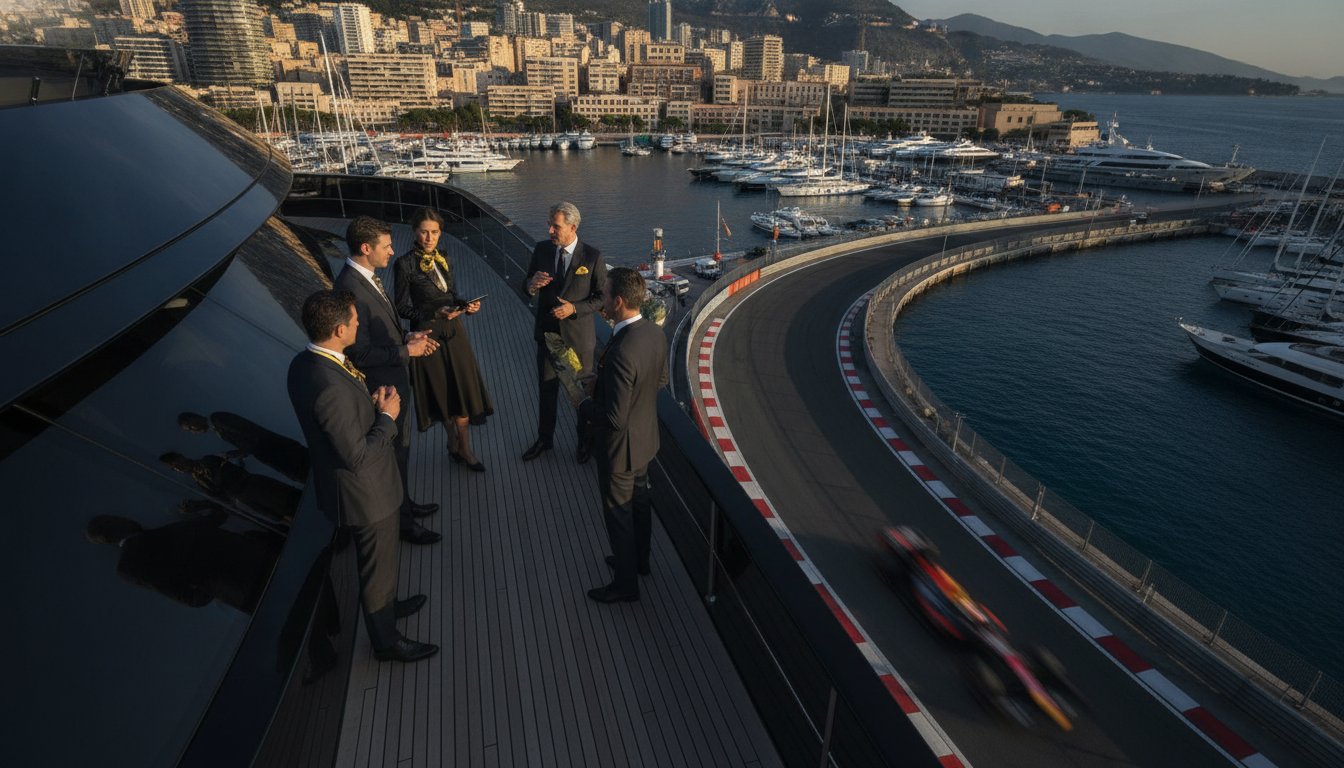
Our Monaco-based team offers the exclusive access required to bridge the gap between simulation and the podium. With advisory from former F1 professionals and active partnerships with champions like Sébastien Buemi and Nyck de Vries, we provide a level of expertise that remains unmatched. We don't just offer tools. We offer a roadmap to the highest levels of the sport. Explore our Driver Development Program and Professional Simulators today. Your journey to the virtual and physical apex begins with a single, precise decision. The next era of your career starts now.
Expert Insights: High Performance Simulator Training
Can high performance simulator training actually replace real track time?
Simulation serves as a high-fidelity supplement rather than a total replacement for physical track time. It functions as a risk-free laboratory where drivers master complex racing methodologies and energy management strategies without the logistical costs of a real circuit. This ensures that every physical lap is spent optimizing the final tenths of a second rather than learning basic track geometry. It's about arriving at the grid with a baseline of absolute technical poise.
What is the minimum hardware required for professional-grade driver training?
Professional-grade hardware must include a Direct Drive wheelbase and load cell or hydraulic pedals. These components are non-negotiable for high performance simulator training because they provide the torque accuracy and physical resistance necessary to build transferable muscle memory. A rigid chassis is also essential. Any flex in the rig results in lost data, which mulls the sensory feedback the driver needs to feel the car's rotation.
How do professional drivers use simulators to learn new tracks?
Elite drivers utilize laser-scanned virtual circuits to build subconscious muscle memory and identify precise braking markers. They focus on refining visual scanning techniques and mastering energy recovery systems before a wheel touches the asphalt. This preparation is particularly vital for street circuits like Monaco or Riyadh, where physical practice is strictly limited by regulations and track availability. It allows for total cognitive familiarity before the event begins.
Is VR better than triple monitors for professional simulator training?
Most professional practitioners favor triple monitor setups for their superior peripheral vision and reduced physical fatigue during long-distance simulations. While VR provides impressive depth perception, triple screens offer the stability and high refresh rates required for consistent, low-latency reactions. The choice often depends on the driver's need for a stable visual reference point that mirrors the view from a traditional cockpit.
How does telemetry analysis work in a racing simulator?
Telemetry in a simulator mirrors the data acquisition systems used in Formula 1 or GT3 competition. The software exports variables like brake pressure modulation, steering angle, and tire slip into professional analysis tools such as MoTeC or Atlas. Coaches then dissect these virtual driving signatures to identify micro-errors. This data-driven approach allows for the surgical refinement of a driver's technique in a controlled, repeatable environment.
What is the difference between a gaming wheel and a direct drive system?
A gaming wheel utilizes belts or gears that inevitably muffle the physics engine's feedback. In contrast, a Direct Drive system connects the motor directly to the steering shaft for 1:1 torque accuracy. This provides the instantaneous fidelity required to feel the subtle lightness in the wheel as the front tires begin to scrub. It's the difference between a toy and a precision engineering instrument.
Can simulator training help with securing motorsport sponsorships?
Verified simulator data provides empirical proof of talent that can be presented to potential corporate partners. Demonstrating consistent high performance simulator training results shows a level of technical rigor and dedication that appeals to high-level sponsors. It transforms a driver's subjective potential into a data-driven investment opportunity, especially when paired with professional media assets captured during the training sessions.
How often should a professional driver train on a simulator?
Professional drivers typically engage in structured sessions three to five times per week. The focus remains on quality and specific objective-based training rather than simple lap counts. Before a major race weekend, this frequency increases to ensure total familiarity with the track and specific car setup. Discipline is key; we prioritize high-intensity stints that replicate the mental and physical stress of a real-world race weekend.